A recent study from Capgemini, sets out the 8 top challenges facing the logistics industry. It’s mainly focused on reducing the increasing costs of goods transportation. Here are all of them summarized in a few points:
- Fuel costs: rising fuel prices are reducing gross margins for transportation companies. This is reversing a two-year trend that cut into the revenue and earnings of truckers. Heavier cargoes also have a great impact on fuel consumption.
- Poor logistics: technology that it’s used to manage all the delivery processes is becoming outdated as few advancements have been introduced due to lack of necessity. This has resulted in an inefficient system of organization that could be improvised.
- Improved customer service: customers have higher expectations in transportation as they want better, faster and transparent delivery of their goods without paying extra money.
- Government regulations: carriers face significant regulations imposed by different country authorities.
- Environmental issues: the concern about global warming has increased in the last few years. Every company wants now to be the greener and environmentally friendly, but this costs money and needs an inside revolution.

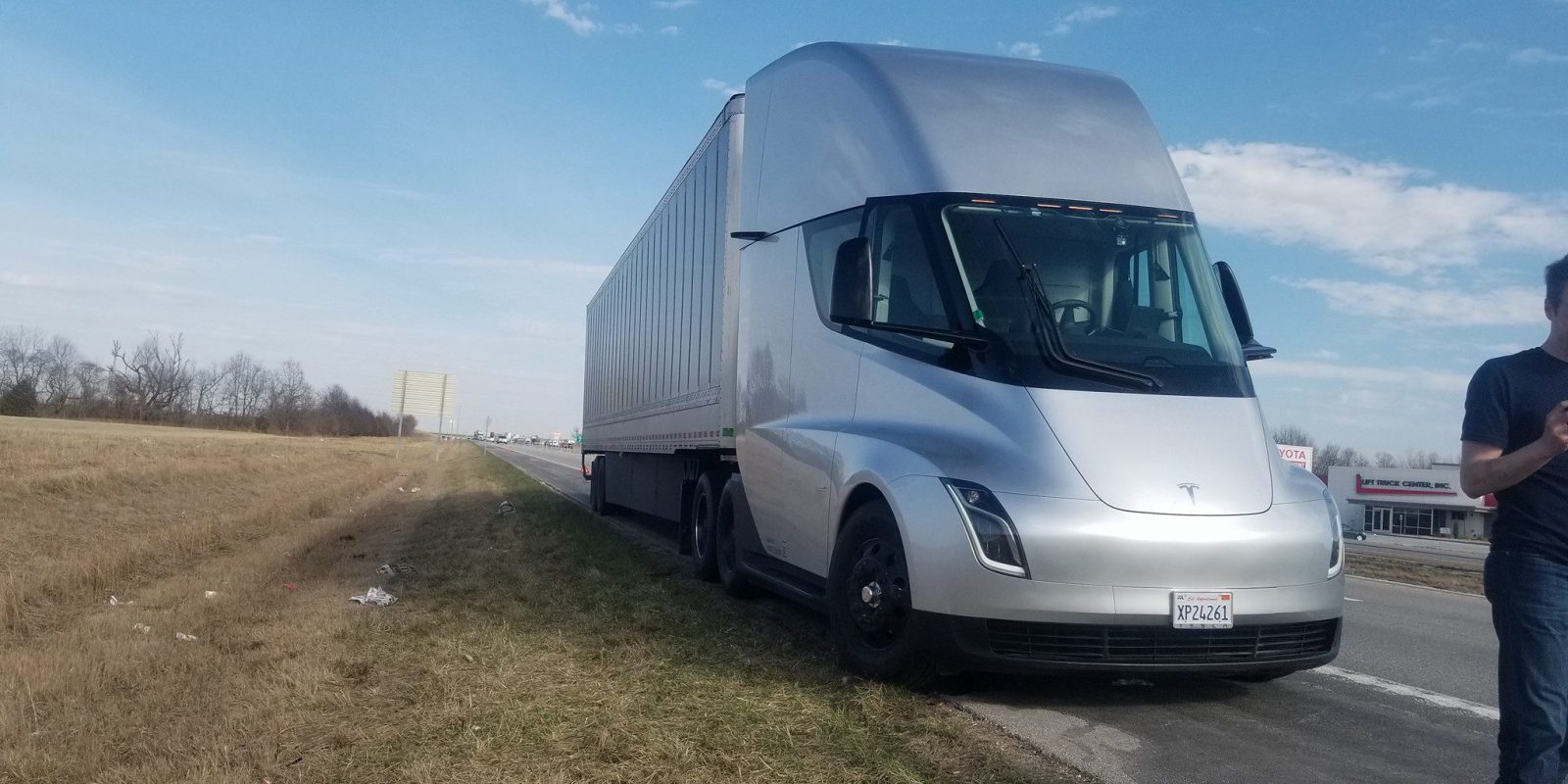
As mentioned above, there are lots of issues unresolved. The logistics industry has tried to change but with no success. Trucks are still fuel based as no big company has offered them a solution. Tesla is developing an electric truck but it’s still in the design and testing phase. Also, no big software improvement for the software has appeared. It’s true that environmental changes have been made, following the Kyoto protocol, but there is much more to do.
The solution is quite clear, offer a better way of organization for delivery industries, with high-end technology including software, optimizing and defining a new standard in route planning. Also, contacting electrical vehicles companies would be primordial, saving lots of money on fuel, repaying the huge investment when buying new trucks. Moreover, adapting rates depending on countries and transportation complexity would be beneficial for the industry, as it would gain high flexibility and avoid profit loss due to government regulations.
 IDWS Blog